
The Science Behind Stillness: Why Your Brain Needs a Pause
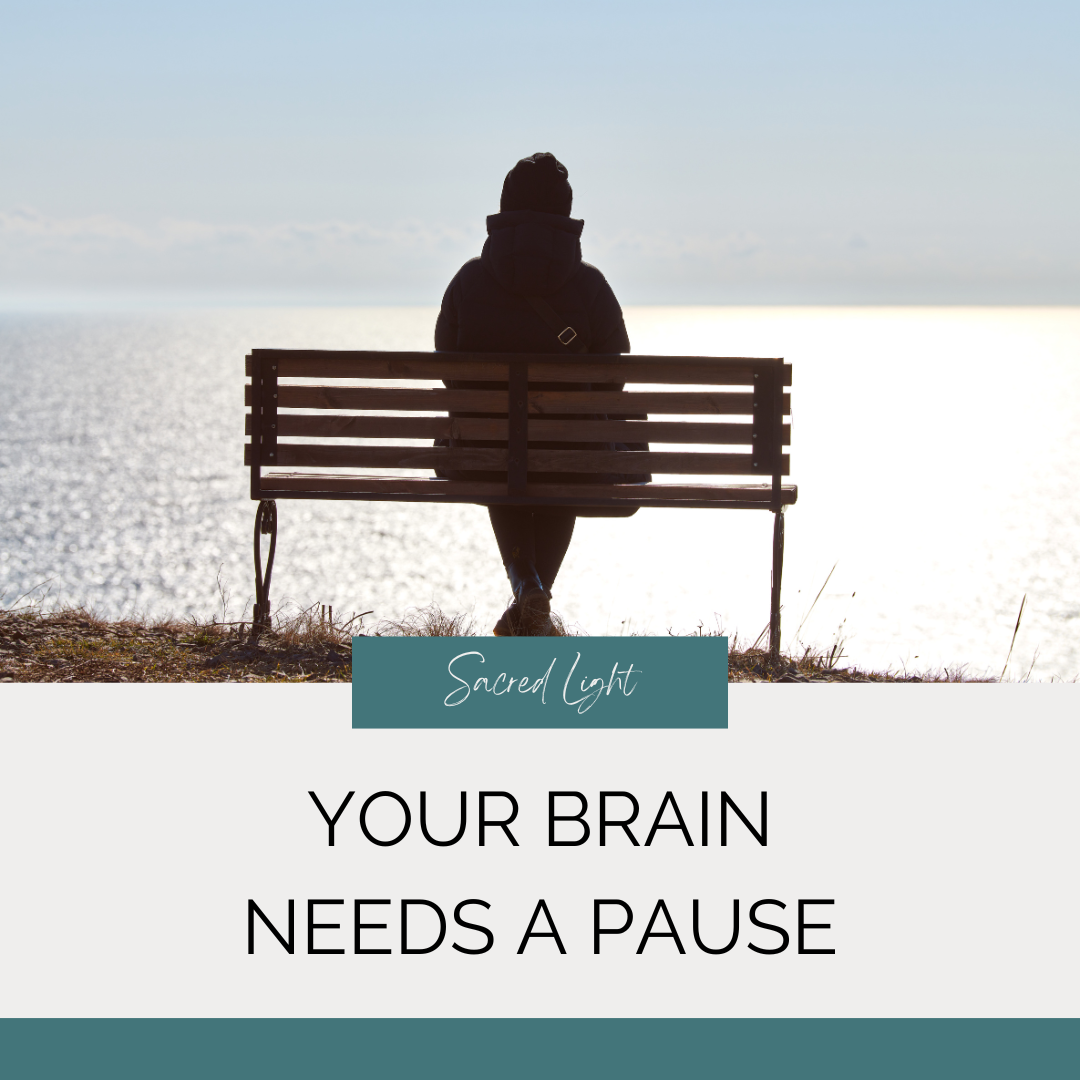
At the start of a new year, it’s easy to get swept into the buzz of resolutions, goal setting, and productivity hacks. But what if the best thing you could do for your mind right now… is nothing?
Stillness isn't laziness — it's neuroscience.
Your Brain on Overdrive
In today’s world of constant stimulation, your brain rarely gets a break. Between notifications, multitasking, and managing everyday stressors, your nervous system stays on high alert. This state of chronic activation — also known as “fight or flight” — leads to fatigue, poor sleep, reduced focus, and even physical illness.
The antidote? Intentional stillness.
Studies in neuroscience show that practices like meditation, breathwork, and Reiki help shift the brain from high-beta waves (anxiety, chaos) to alpha and theta waves (calm, creative flow). These are the states where clarity, intuition, and healing begin.
When your body is still, your nervous system can finally reset.
Why the New Year Is the Perfect Time
Before you dive headfirst into 2026, give yourself permission to pause.
Start with one small moment of stillness each day — a breath, a sound bath, a guided meditation, or a Reiki session. These practices create space for reflection, clarity, and alignment, so you’re not just chasing goals… you’re choosing what actually matters.
Stillness isn’t the absence of movement — it’s the presence of awareness.
And the more you practice it, the more resilient your body and mind become.
Your Moment of Reflection
In your moment of reflection, affirm:
"In stillness, I find clarity. I release what no longer serves me and open to what brings peace."
Give your brain what it truly needs this year: space to breathe.